
Fresh snow looks like the ultimate pure water source, but in our field experience, it’s often just a frozen sponge for atmospheric filth. As snowflakes fall, they scrub the air of soot, industrial nitrates, and sulfates, concentrating these pollutants in the snowpack. While you can drink melted snow to survive, doing so without professional filtration exposes you to chemical runoff and dormant biological pathogens that boiling alone won't touch.
Untreated snow melt is essentially "reconstituted smog" mixed with potential bacteria. Based on our water quality testing, raw snow can have surprisingly high TDS (Total Dissolved Solids) from atmospheric fallout. To make it safe, you need to melt it, boil it to kill pathogens, and then filter it to strip out the industrial "gray" taste and chemical residues.
1. Dirty Truth About White Snow
Snow crystals possess a massive surface-area-to-mass ratio, making them incredibly efficient at "scavenging" aerosols and lead particles from the sky. We’ve observed that even in seemingly remote areas, the first few inches of a fresh snowfall are the most contaminated. Furthermore, "watermelon snow" (pink algae) or yellow patches are clear indicators of biological or chemical hazards that can cause immediate gastrointestinal distress.
- Industrial Fallout: Snow effectively binds with coal soot and vehicle emissions as it descends.
- Biological Dormancy: Pathogens like Giardia can survive in a frozen state for months, reactivating the moment they enter your warm digestive tract.
- The Core Temperature Trap: Eating snow to stay hydrated is a rookie mistake; the metabolic cost of melting ice inside your stomach can trigger hypothermia faster than dehydration will.
2. Pro Tips for Melting Snow Safely
Successful snow melting is an art of patience and "middle-layer" harvesting to bypass the worst of the fallout. We always suggest clearing away the top 4–6 inches of "settled" dust and avoiding anything near the soil line. By targeting the clean, compressed middle layer, you start with water that has the lowest possible mineral and pollutant load before you even light your stove.
- Prime the Pot: Always start with a half-inch of liquid water in your pot; dry snow acts as an insulator and will "burn," giving your water a permanent scorched-earth flavor.
- Avoid the Trees: Snow under evergreen boughs is often loaded with tannins, bird droppings, and debris.
- The 60-Second Rule: Bring your melt to a rolling boil for a full minute (longer at high altitudes) to neutralize viruses.
3. Field-Tested Filtration Gear
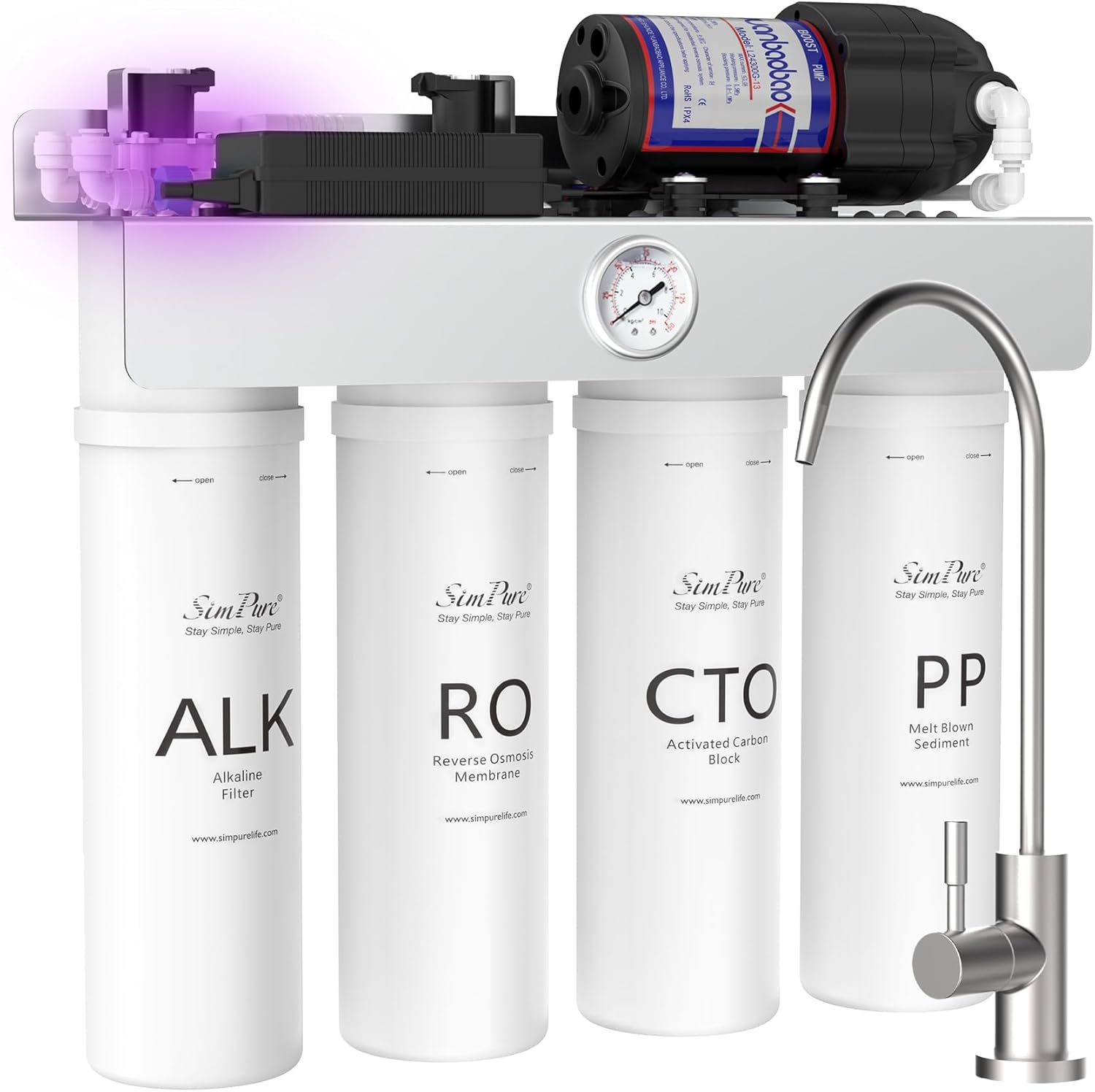
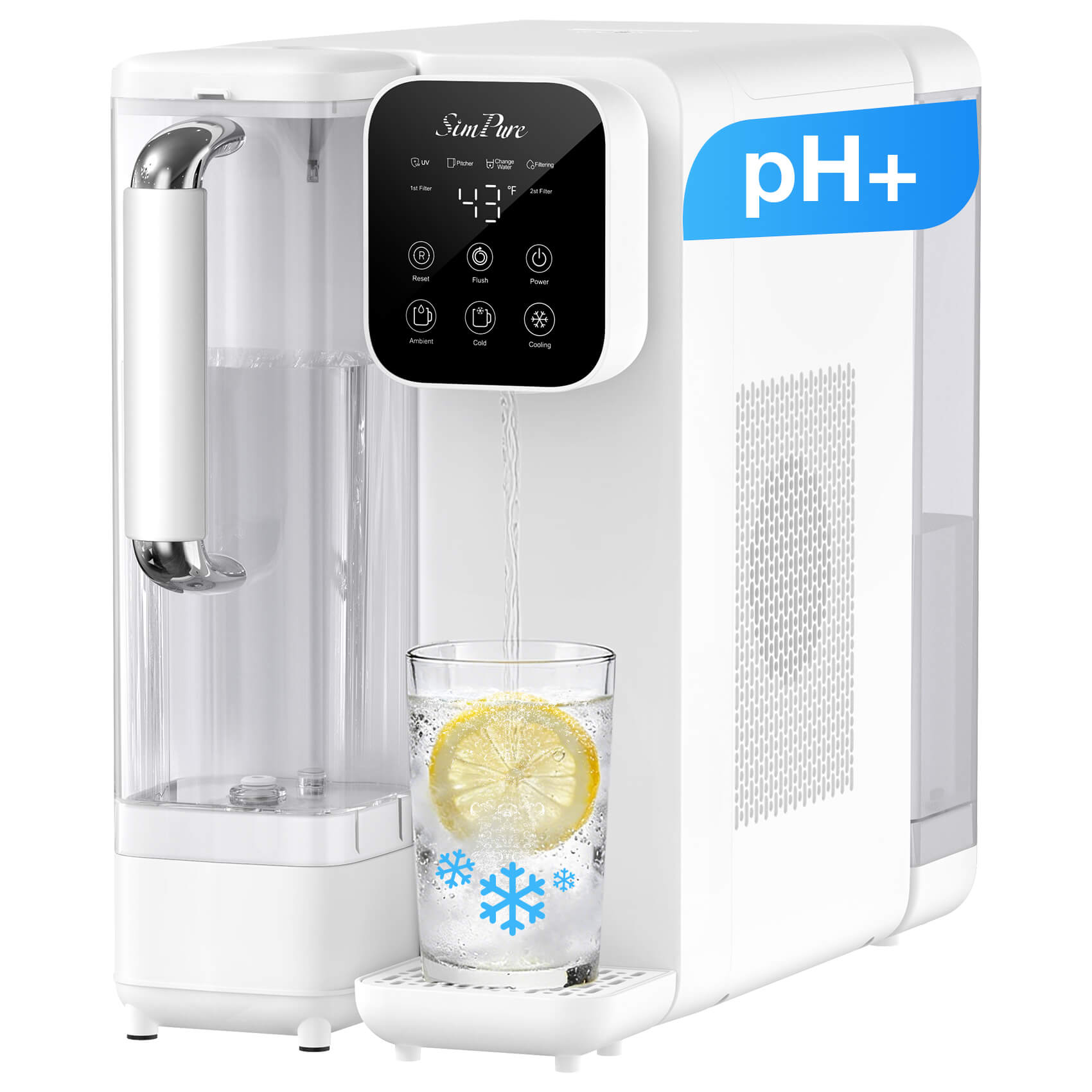
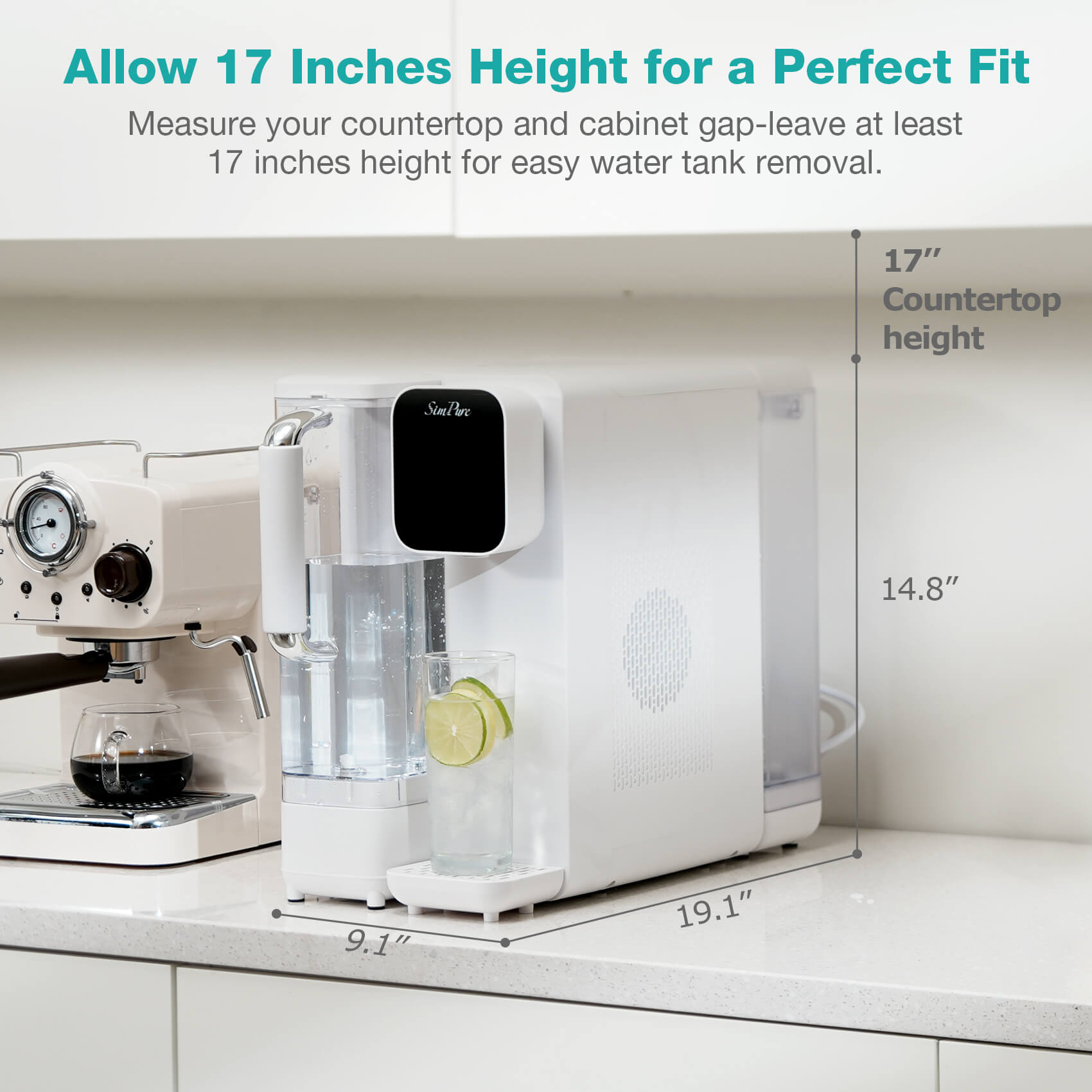
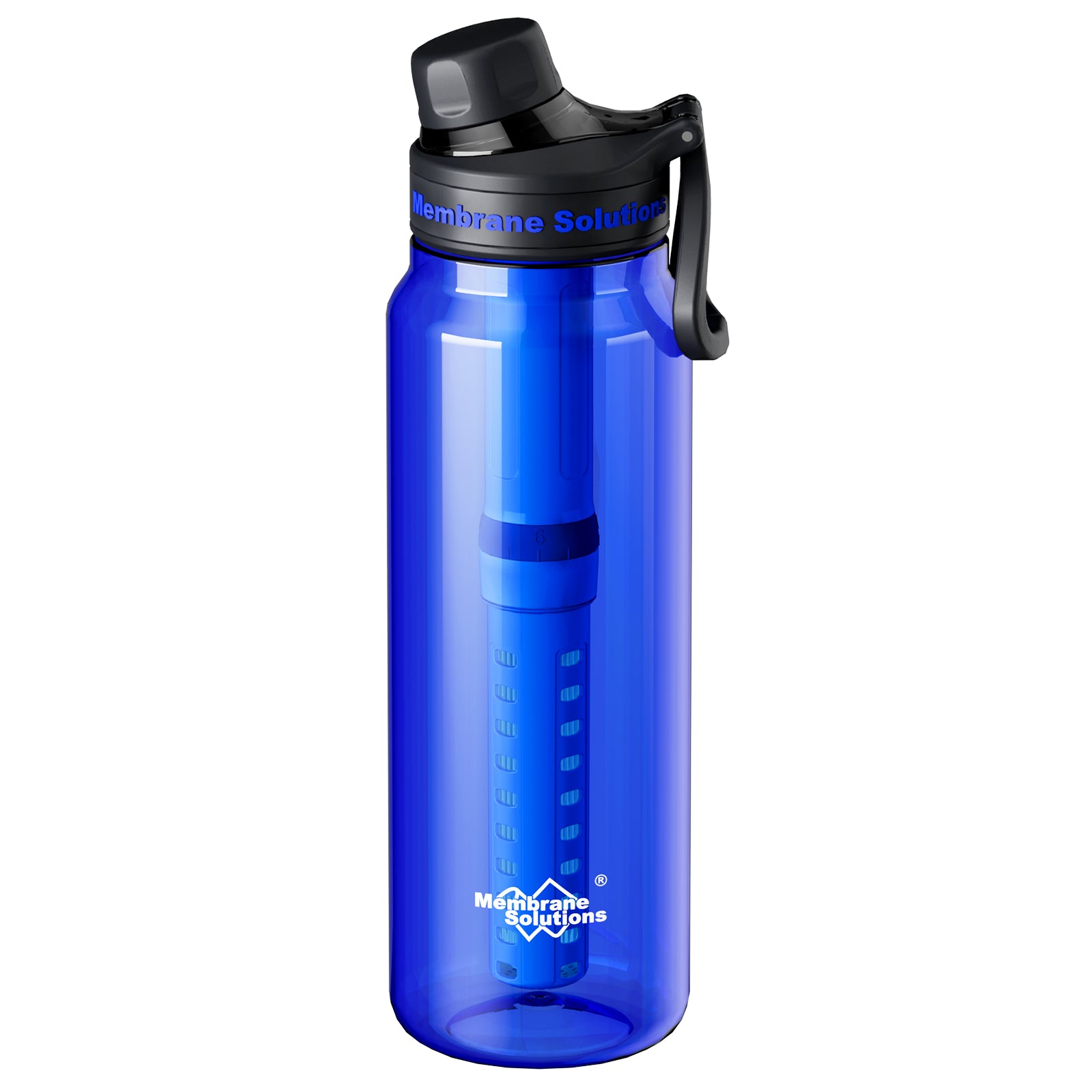
When you're off-grid or facing a winter storm, the biggest challenge isn't just killing bacteria—it's getting rid of that gritty, chemical "off-taste" that snow melt always seems to have. After testing various setups in freezing conditions, we’ve found that these two systems from Membrane Solutions are the most reliable for turning a bucket of snow into high-quality drinking water.
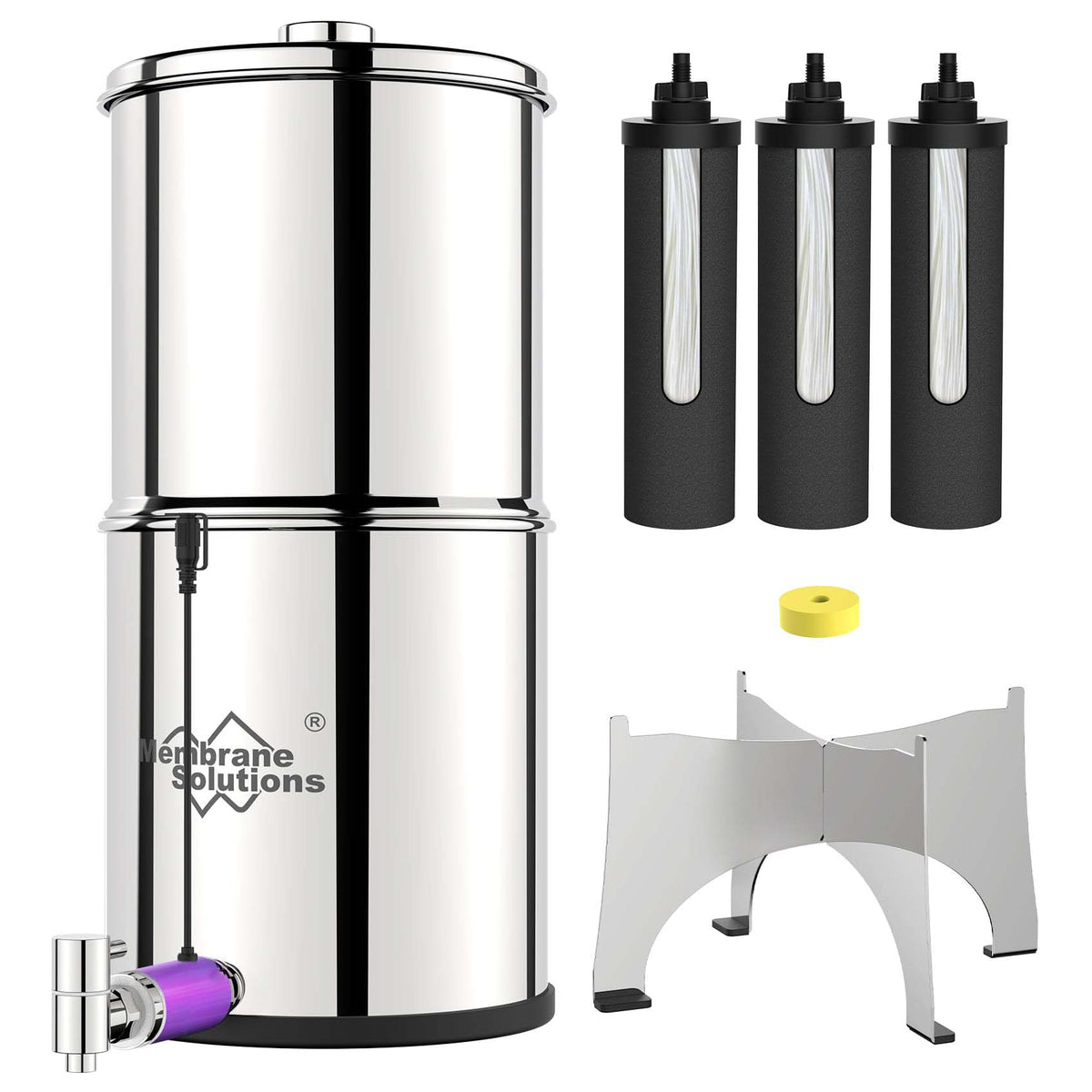
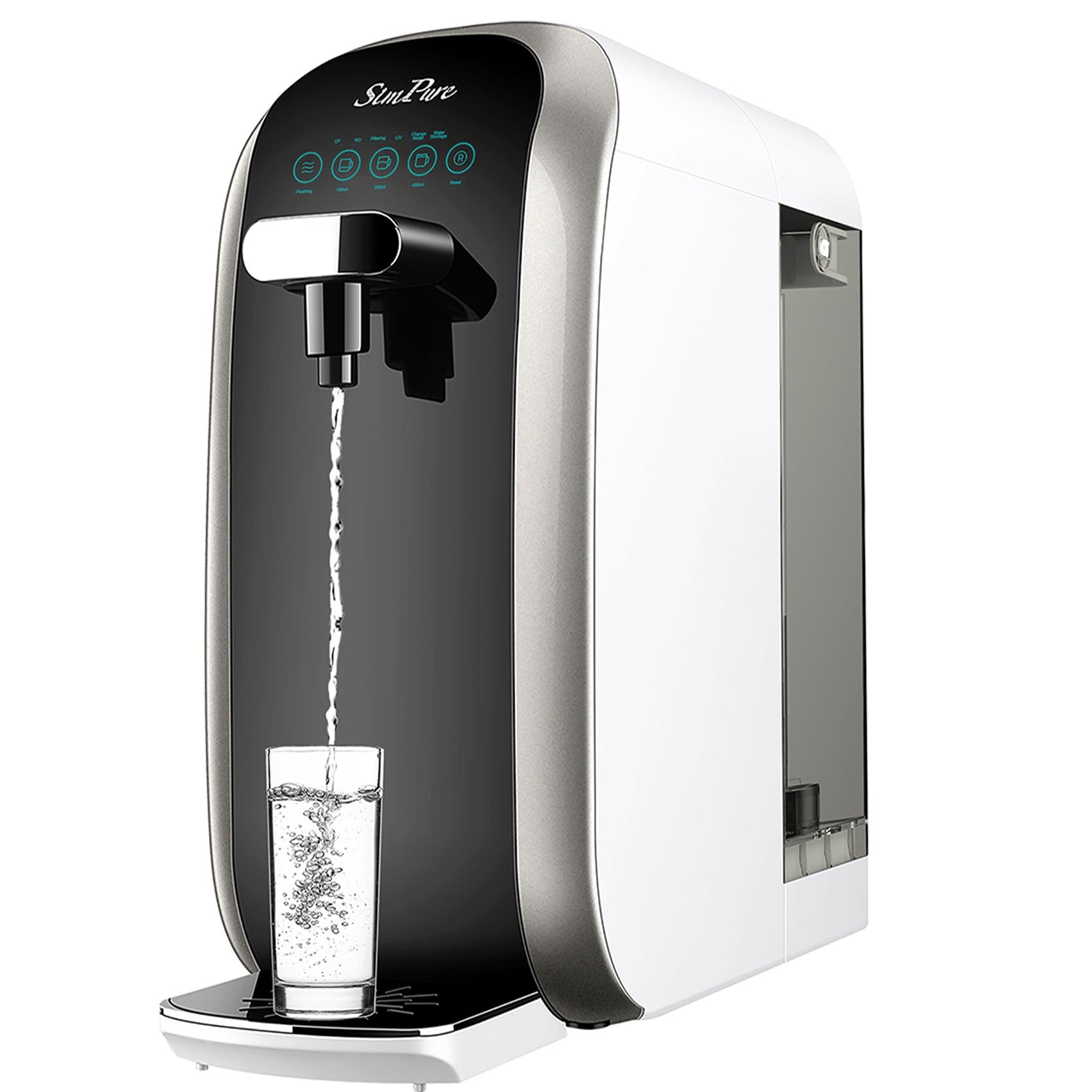
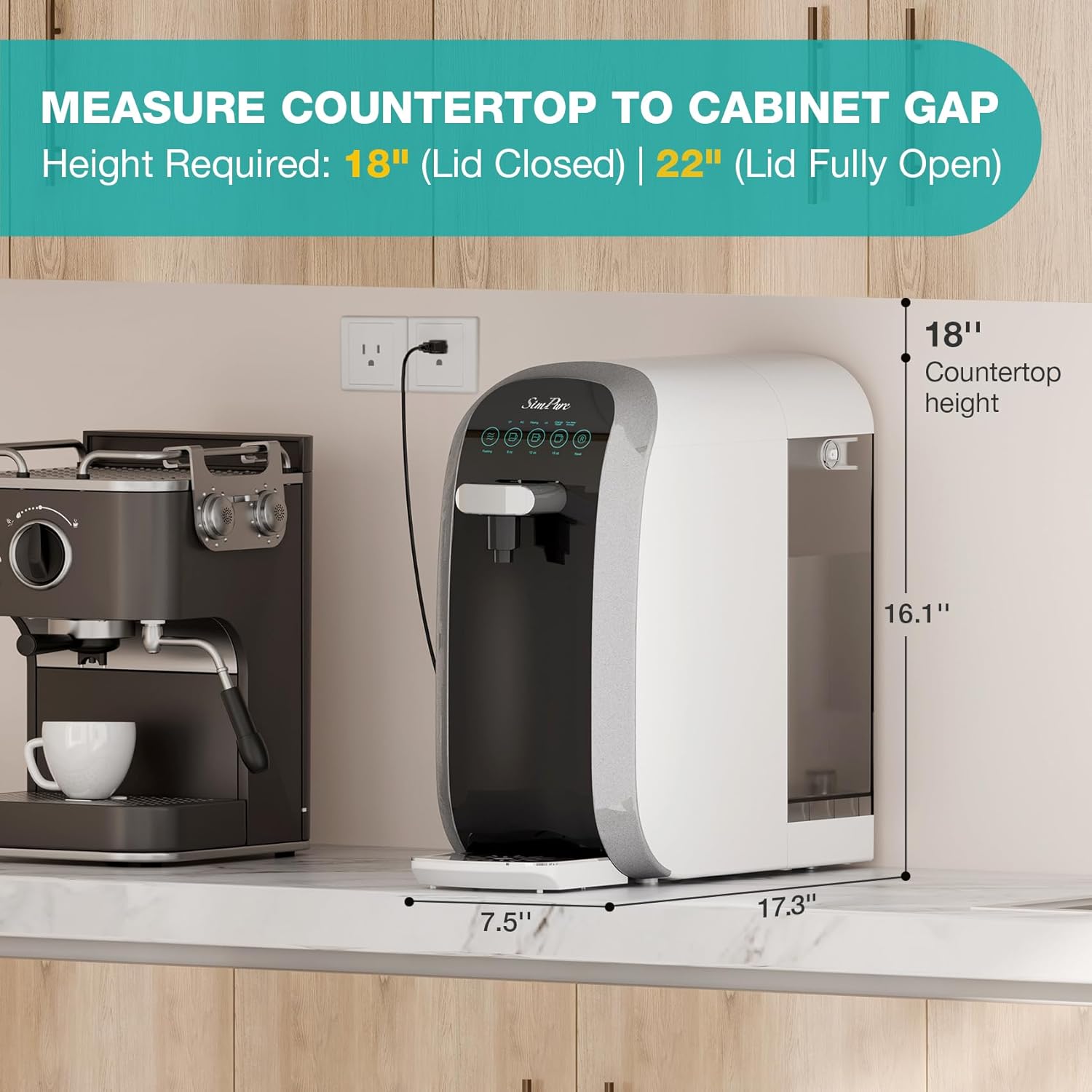
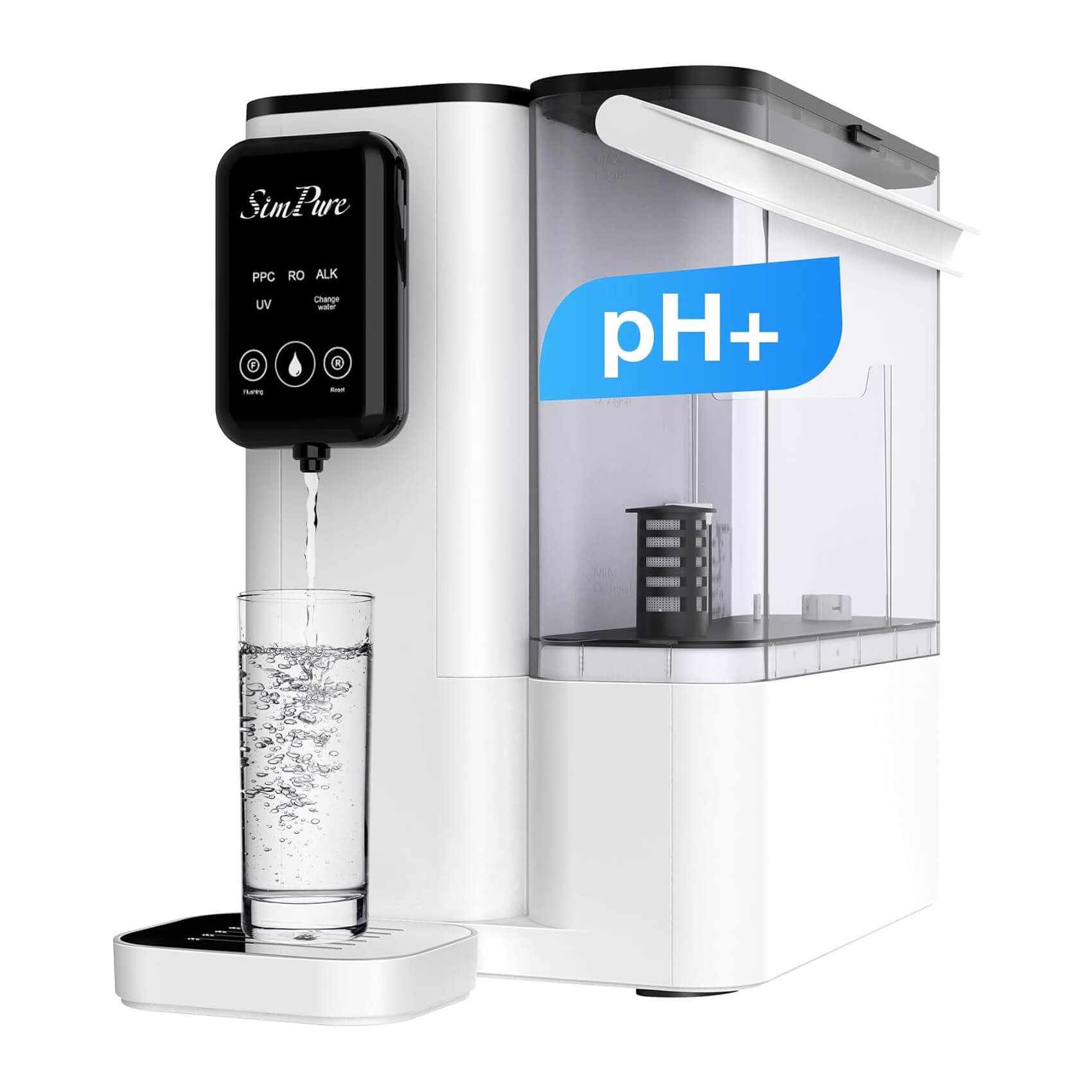
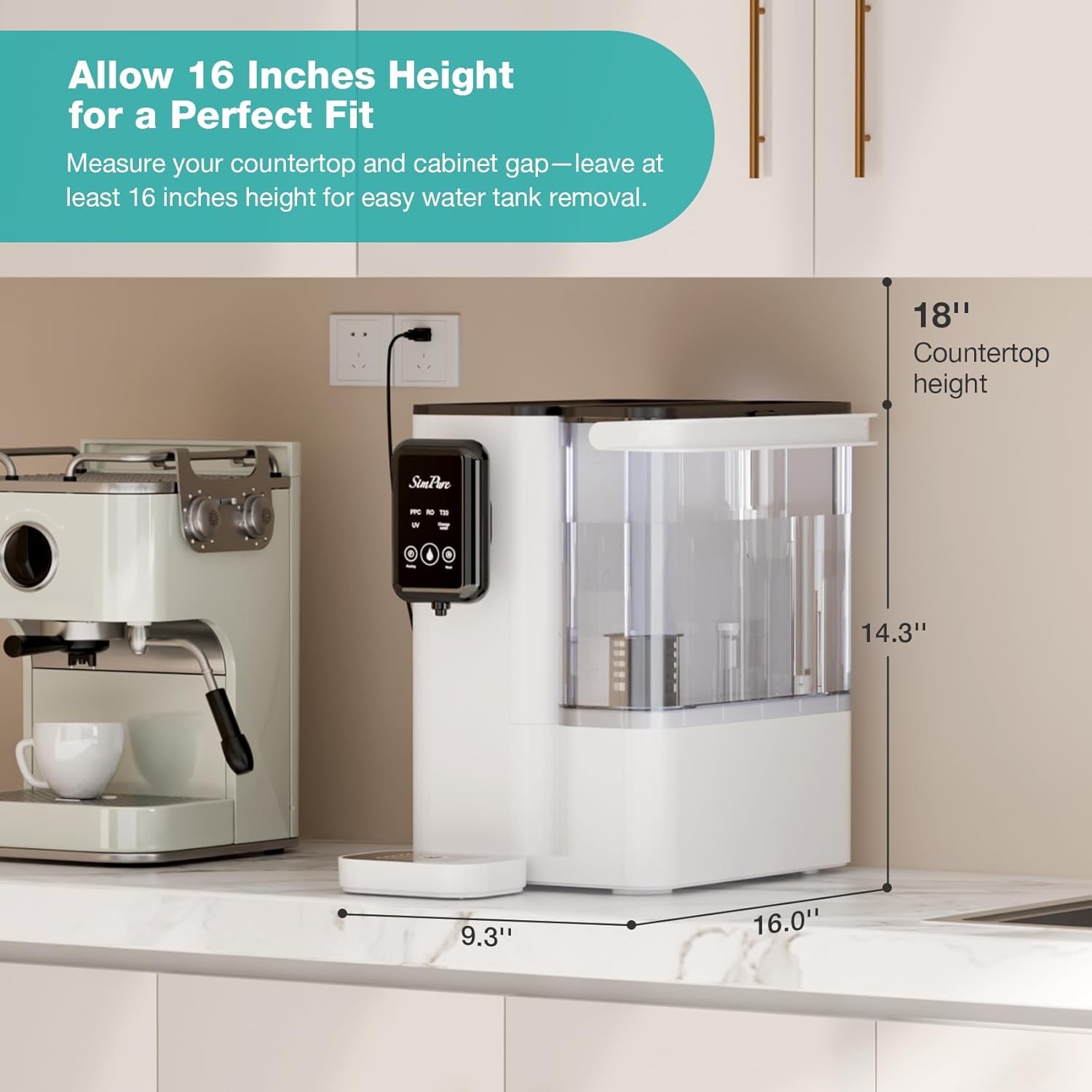
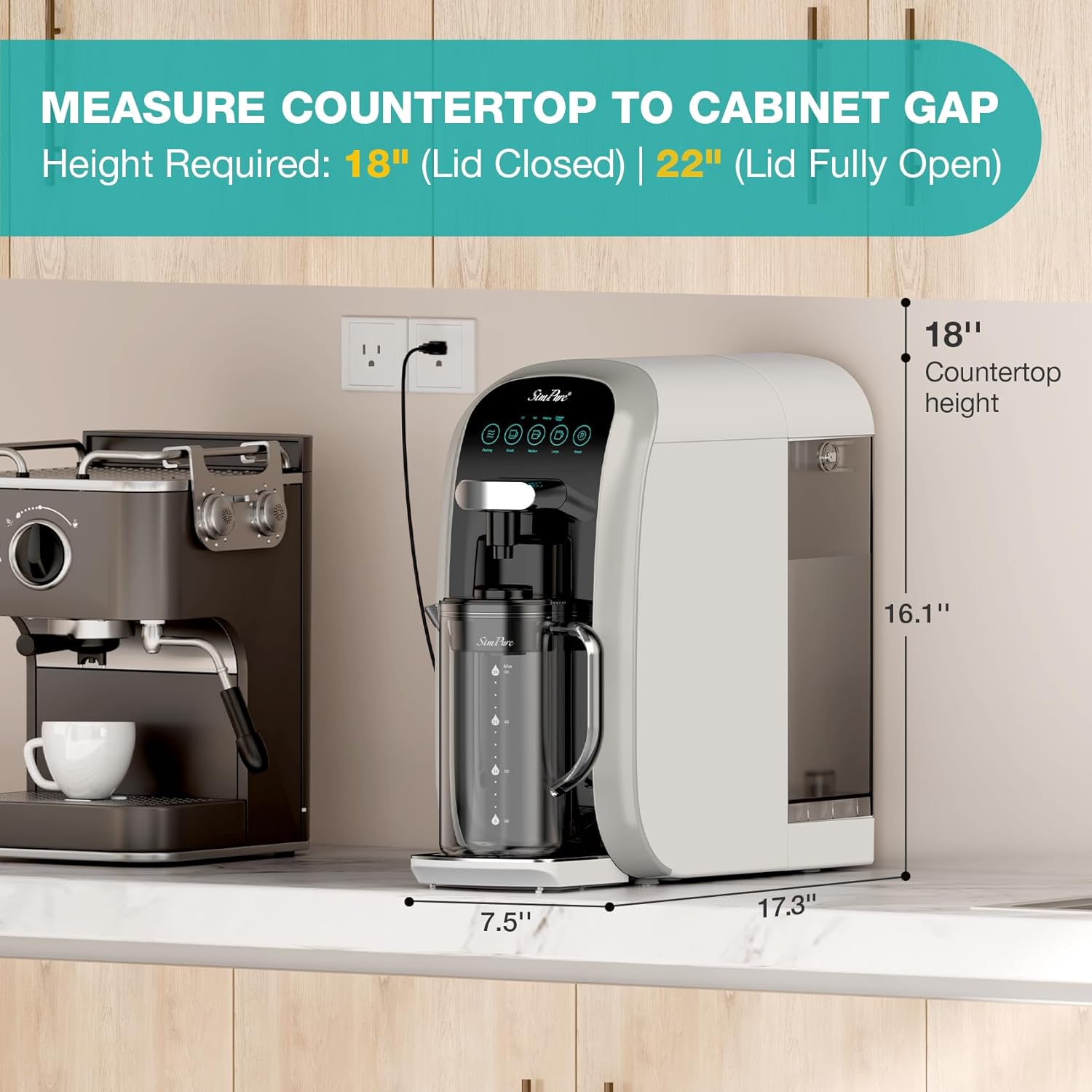
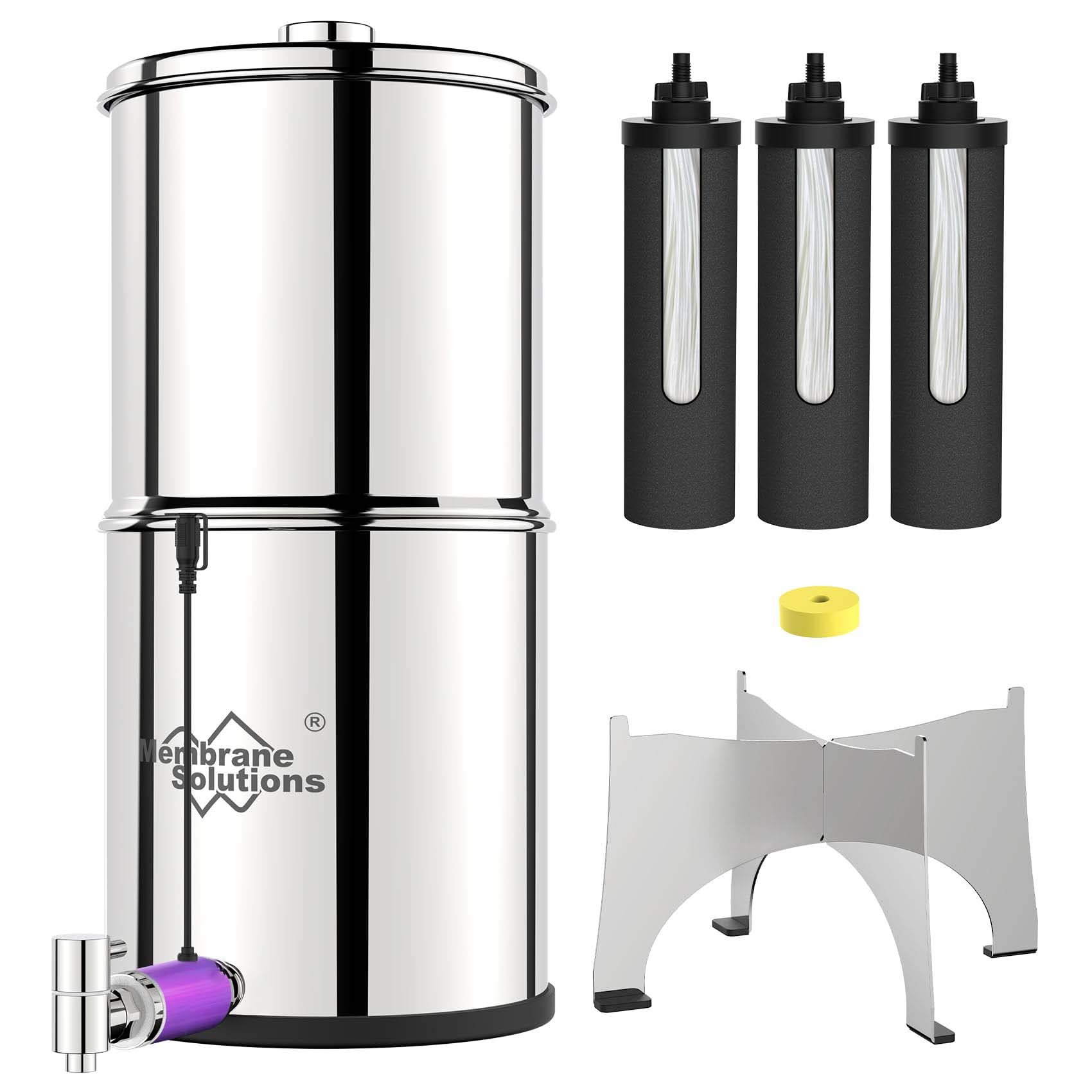
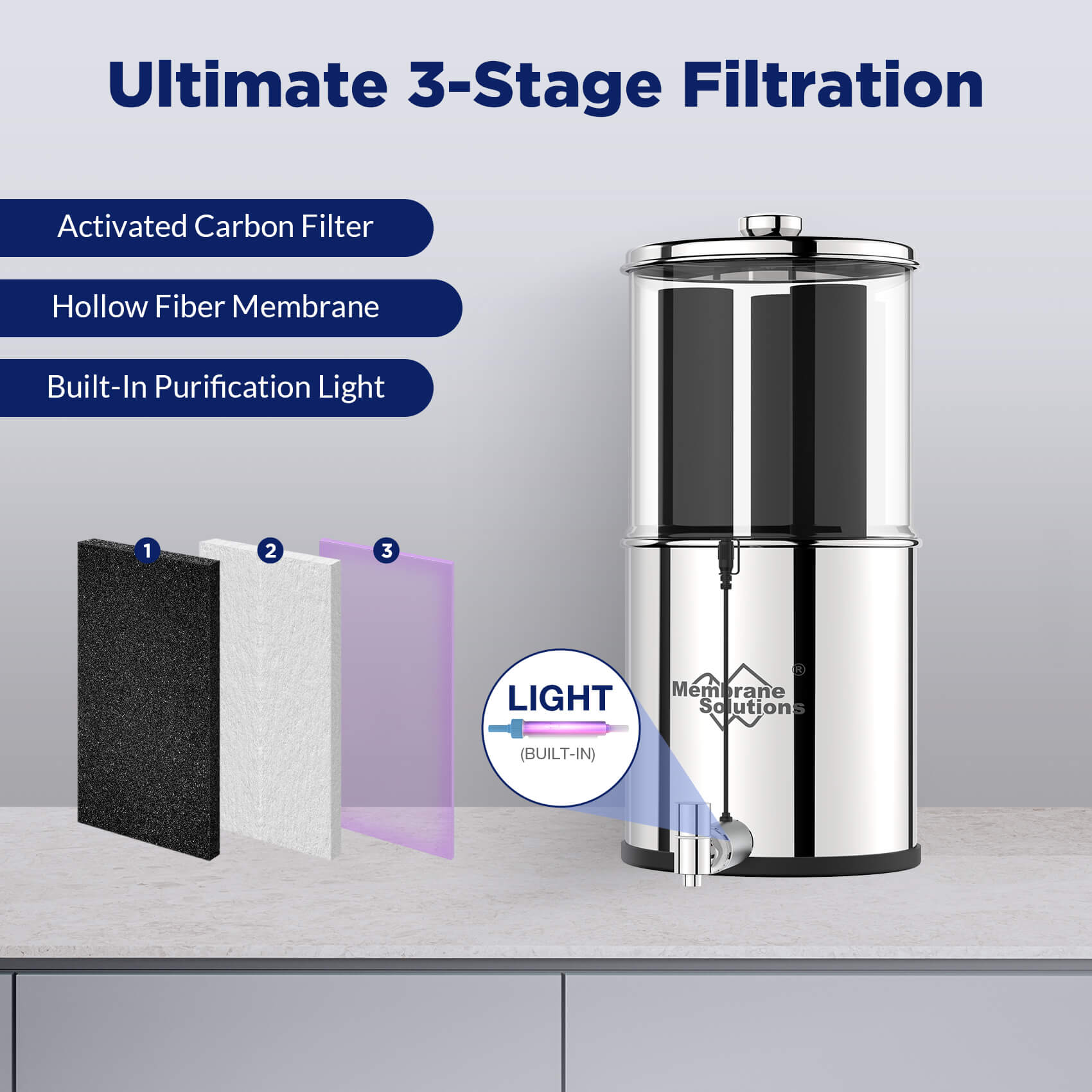
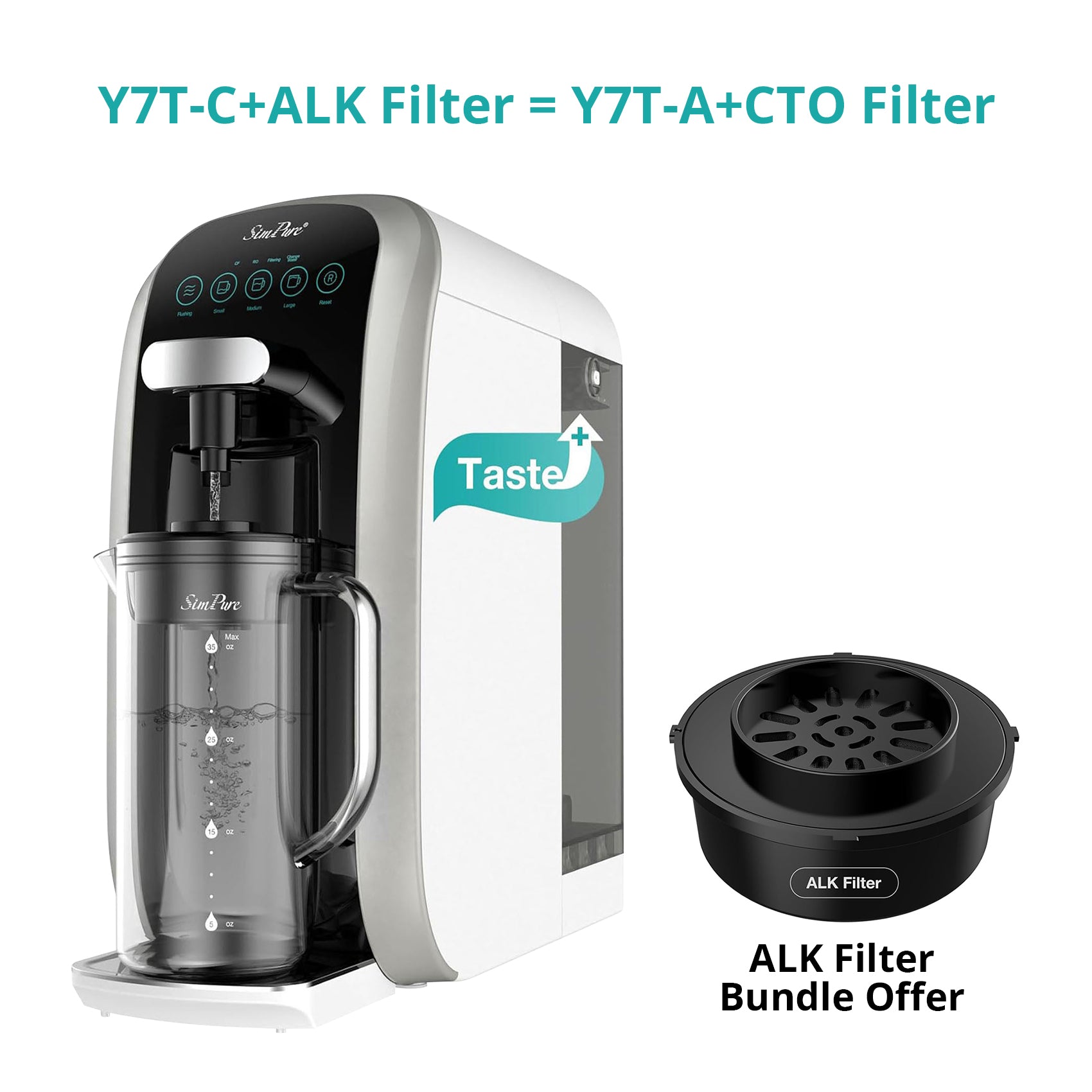
When you're processing snow for a whole family, you need volume. The U3P’s 2.25-gallon tank and 0.1-micron filtration handle the "batch work" effortlessly. Its stainless steel build won't crack in the cold, and it strips out that industrial soot taste that boiling misses.
Get the Batch Solution →
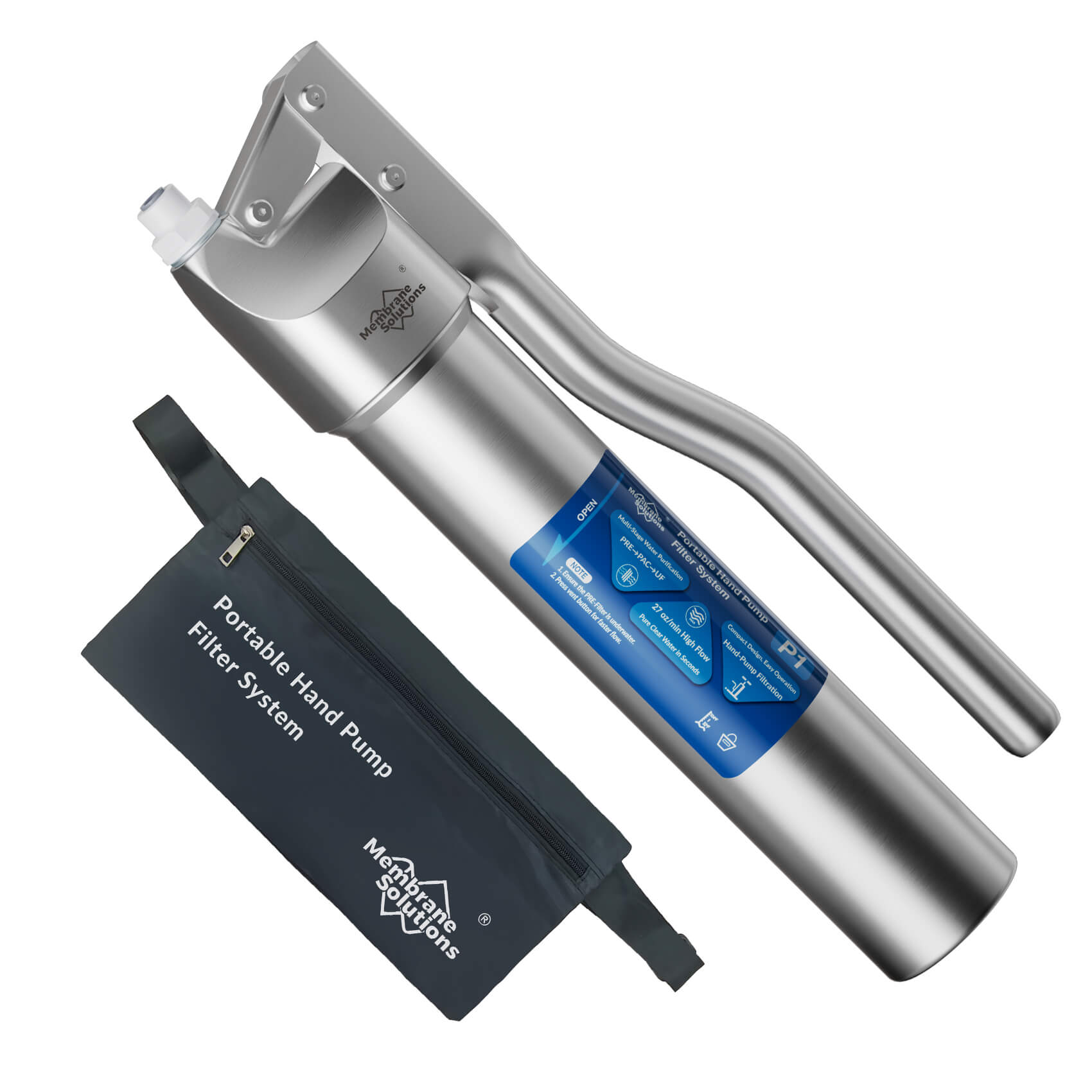
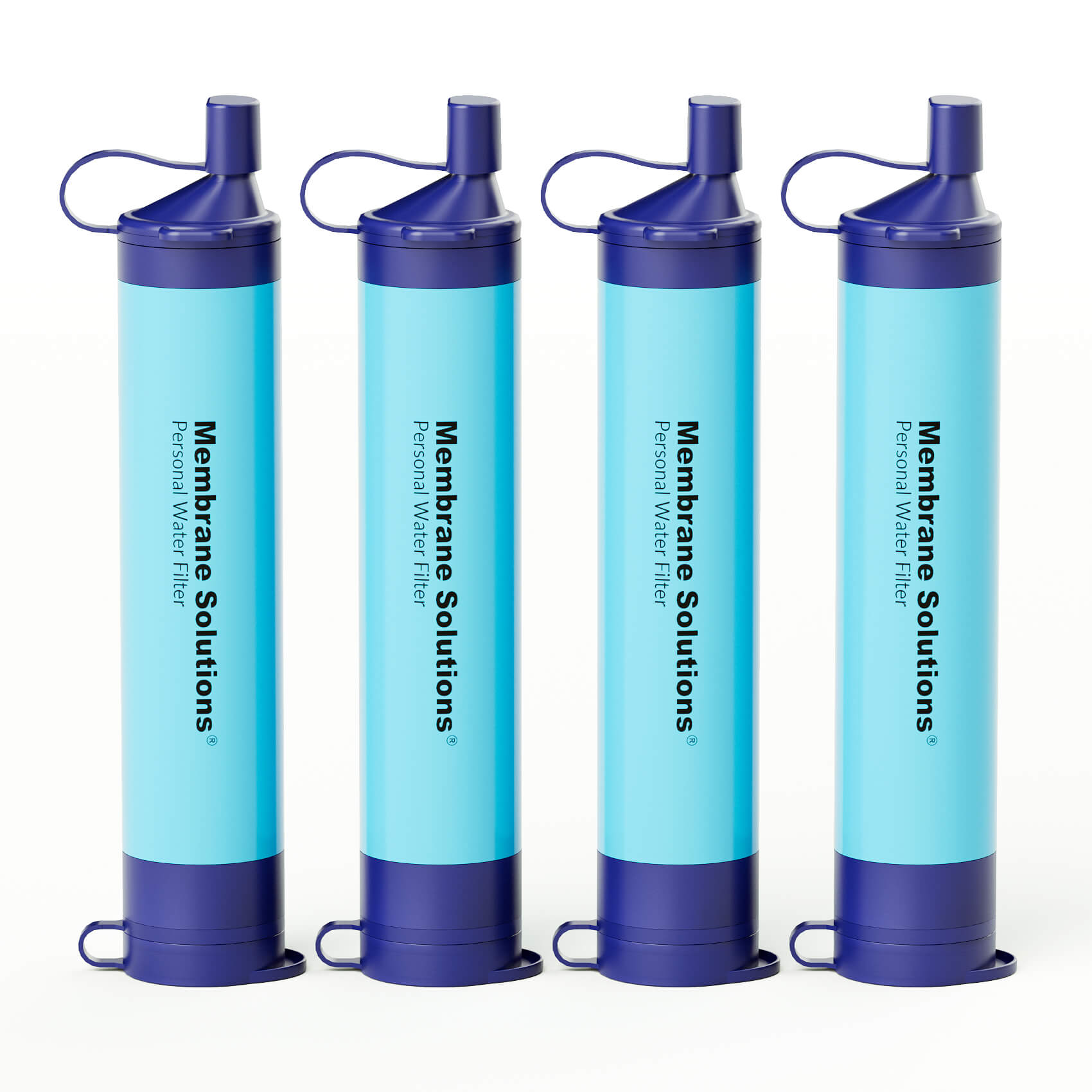
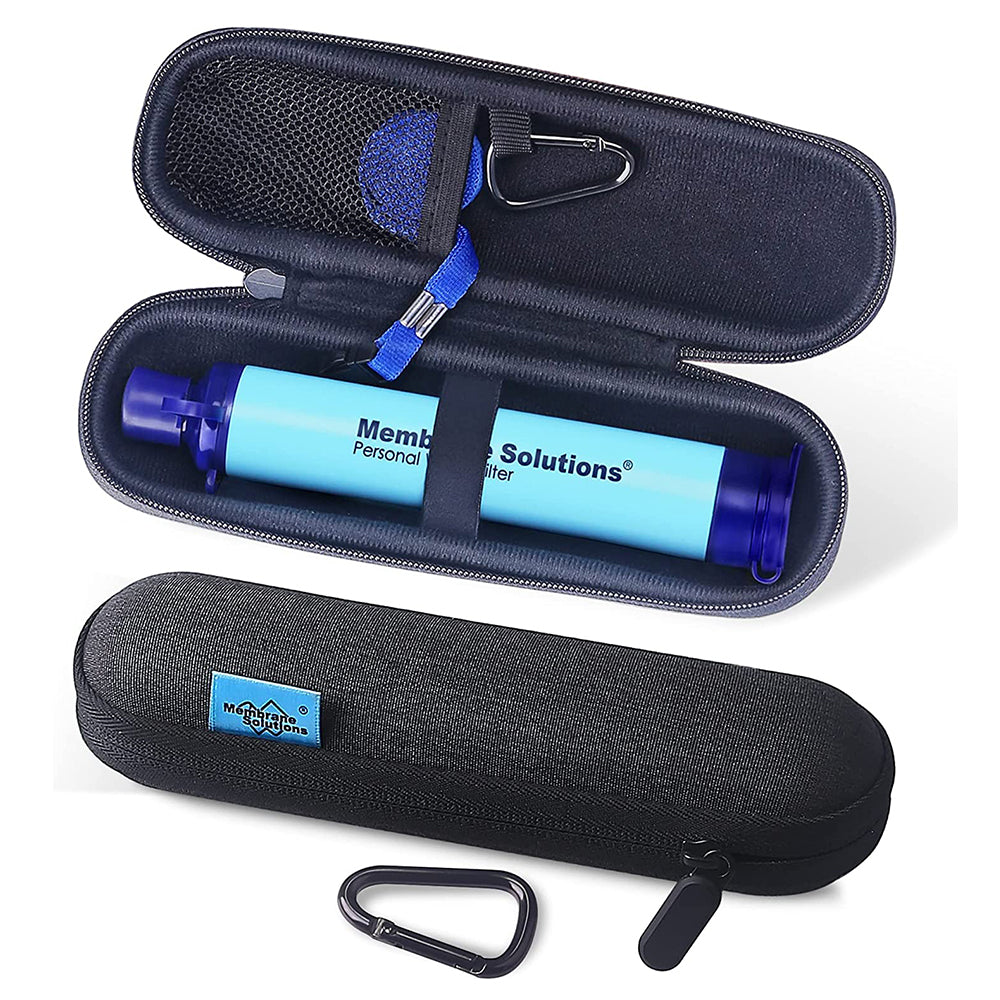
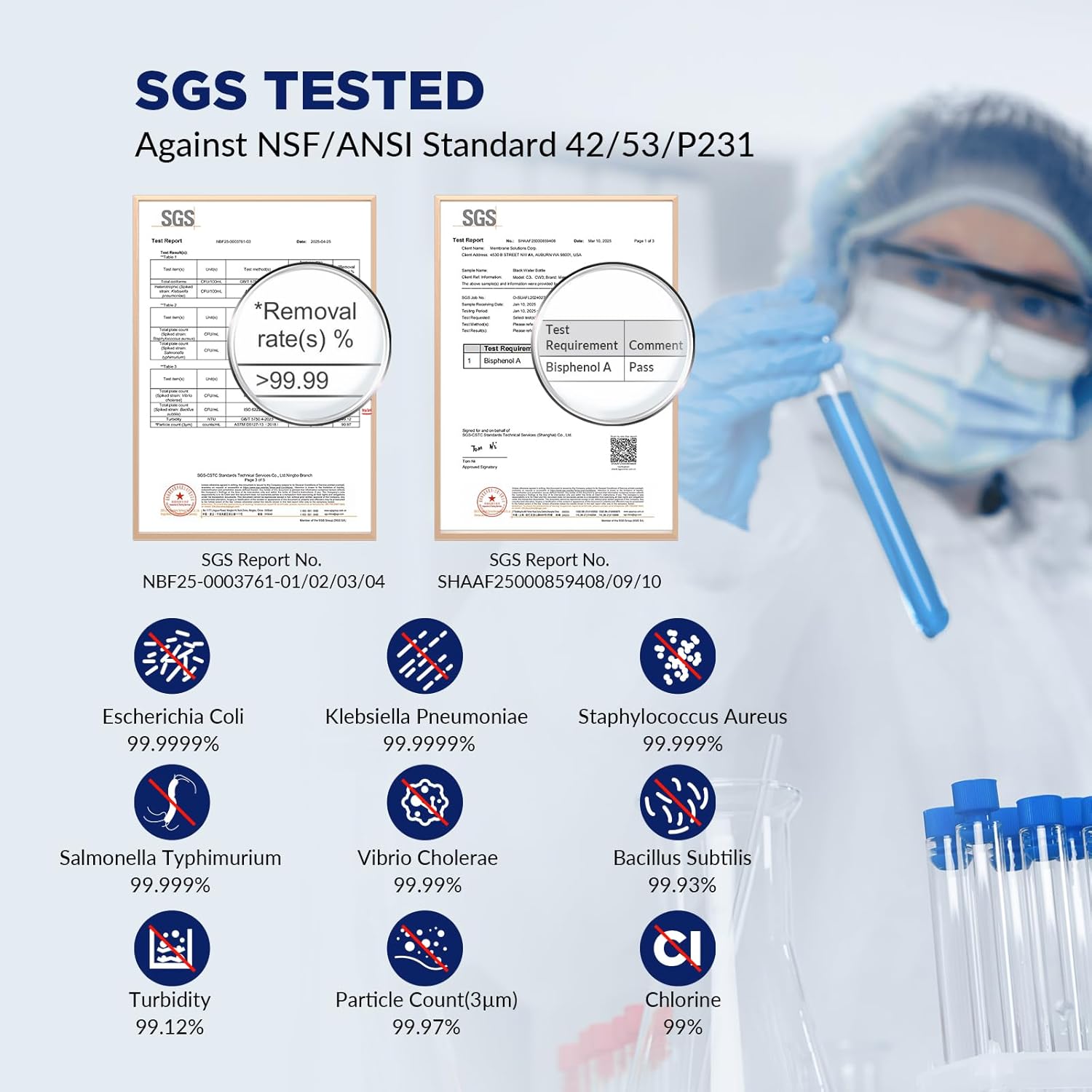
If you’re on the move and only have a single bottle for melting, our NSF & SGS tested 2 oz lifesaver water filter straw is your 5-stage insurance policy, making it easy to filter melted snow on the fly while rejecting 99.99999% of biological threats.
Stay Light & Safe →4. Deeper Dive: Snow Water FAQs
Only as an absolute last resort, and in very small amounts. Eating frozen snow lowers your core temperature and uses up more water to process the ice than it provides. It’s almost always better to wait until you can build a fire or use body heat to melt it in a container first.
No. Boiling is great for biological safety (bacteria/viruses), but it actually concentrates chemicals and heavy metals as the water evaporates. Pair boiling with a 0.1-micron mechanical filter to ensure both biological and chemical purity.
That pink hue comes from Chlamydomonas nivalis, a cold-loving algae. While it looks pretty, it is a known laxative and can cause severe cramping. Never drink or melt snow with any visible coloration.
Melted snow lacks the residual disinfectants found in tap water. We recommend treating it and consuming it within 24–48 hours, or storing it in a cool, dark place in a sterilized, airtight container.
We advise against it. Melted snow, even when filtered, can still contain trace organic matter that promotes mold growth in sensitive machines. Use distilled or RO-purified water for CPAP instead.
Whether you're prepping for a blizzard or heading into the backcountry, we have the field-tested gear you can trust.